

Can Sports Vision Training Prevent Injuries on the Field?
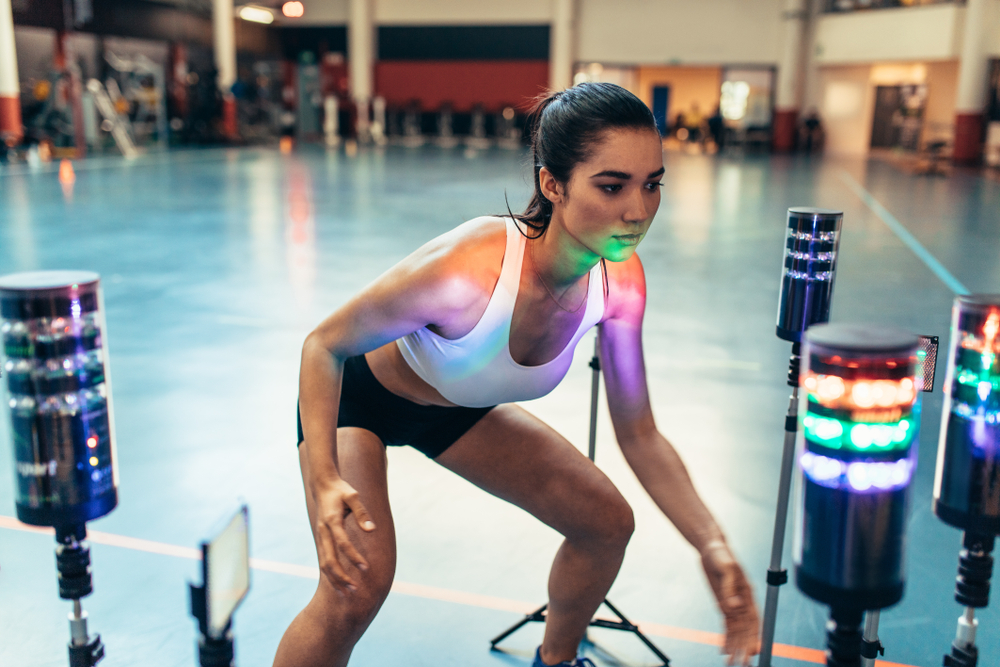
When you think about staying safe during sports, strengthening muscles, improving balance, and learning proper technique probably come to mind. But one powerful tool for injury prevention is your vision. At Giles Optometry, we help athletes sharpen not just what they see, but how quickly and accurately they process visual information. With advanced sports vision in La Mesa, CA, athletes of all ages can boost performance while reducing the risk of avoidable injuries on the field.
How Vision Impacts Athlete Safety
Vision is involved in nearly every action during sports, from judging distances to tracking fast-moving objects. When an athlete’s visual system is slow or inefficient, they may miss critical cues that help them react in time, increasing the likelihood of collisions, falls, or missteps.
Key visual skills that impact safety include:
Depth Perception: Accurately judging how far an opponent, ball, or obstacle is can prevent dangerous miscalculations.
Peripheral Awareness: Strong side vision helps athletes stay aware of their surroundings, reducing blind-side hits and sudden contact.
Eye-Body Coordination: Your eyes guide your body. When visual information is processed efficiently, the body reacts faster and more precisely, preventing rolled ankles, awkward landings, and other common injuries.
Reaction Time: Sports often demand split-second decisions. Faster visual reaction time can mean avoiding a collision instead of causing one.
What Is Sports Vision Training?
Sports vision training is a customized program designed to improve the visual skills athletes rely on during play. Just like strength training enhances physical ability, vision training enhances the brain-eye connection.
Techniques may include:
Dynamic focus drills
Target tracking exercises
Depth perception training
Reaction-time drills
Peripheral vision expansion
Visual decision-making tasks
These exercises help athletes process visual cues more quickly and accurately, leading to safer movements on the field.
How Sports Vision Training Helps Prevent Injuries
Better Anticipation of Play Development: Athletes with strong visual processing can better predict opponent movements, reducing risky situations.
Fewer Misjudged Steps: Improved depth perception helps prevent sprains, missteps, and stumbles.
Reduced Collision Risk: Peripheral vision training increases spatial awareness, helping athletes avoid unexpected impact.
Faster Reflexes Under Pressure: Enhanced visual reaction time means the body can respond quickly to sudden changes, improving both safety and performance.
Improved Coordination and Balance: Better visual–motor integration helps athletes maintain proper posture and alignment, reducing the chance of strain or injury.
Schedule Sports Vision Training in La Mesa, CA
Sports injuries aren’t always caused by physical weakness - sometimes, the issue is how the brain processes visual information. By strengthening essential visual skills, athletes gain a sharper competitive edge and significantly reduce the risk of preventable injuries. If you’re looking to optimize performance and safety, sports vision training may be the missing piece.
Contact Giles Optometry to elevate your visual performance and stay safer on the field with sports vision training. Visit our office in La Mesa, California, or call (619) 399-2506 today.


MAP
Powered by: 