

Vision Therapy for Children Who Struggle with Schoolwork
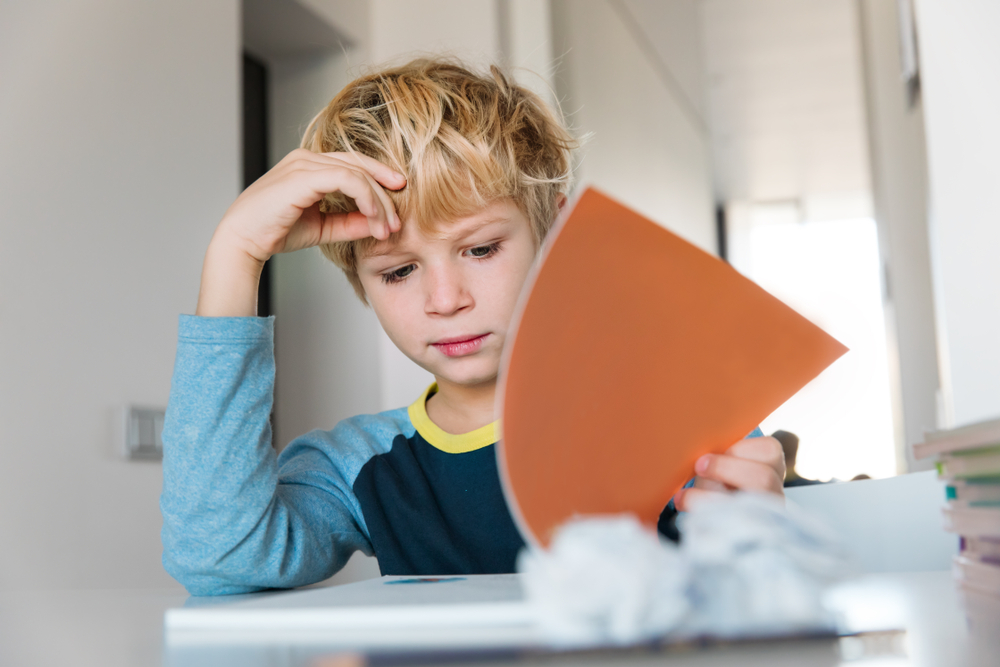
When a child has difficulty keeping up in school, it’s often assumed the cause is related to attention, behavior, or learning ability. While these factors can certainly play a role, an often-overlooked contributor is how well a child’s visual system functions. Even children with 20/20 eyesight can struggle in the classroom if their eyes and brain aren’t working together efficiently.
How Vision Impacts Learning
More than 80% of classroom learning is visual. Reading, writing, copying from the board, using computers, and participating in sports all rely on complex visual skills. These skills go beyond simply seeing clearly and include:
Eye teaming (how well both eyes work together)
Eye tracking (smoothly following text while reading)
Eye focusing (maintaining clear vision at near distances)
Visual processing (how the brain interprets visual information)
Visual-motor integration (coordination between eyes and hands)
When one or more of these skills are underdeveloped, children may work harder just to keep up, leading to frustration, fatigue, and decreased confidence.
Signs a Child May Be Struggling Visually
Children don’t always realize that what they’re experiencing isn’t normal, which is why visual issues can go undetected. Common signs that may indicate a functional vision problem include:
Difficulty reading or slow reading speed
Skipping lines or losing place when reading
Avoiding reading or homework
Frequent headaches or eye strain
Short attention span for near tasks
Reversing letters or words
Poor handwriting
Trouble copying from the board
Complaints of blurred or double vision
These symptoms are often mistaken for attention or learning disorders, when vision may be a contributing factor.
What Is Vision Therapy?
Vision therapy is a customized program designed to improve how the eyes and brain work together. Unlike glasses or contact lenses, which correct clarity of vision, vision therapy focuses on strengthening visual skills and processing abilities.
Each vision therapy program is tailored to the child’s specific needs and typically includes:
In-office therapy sessions guided by trained professionals
At-home activities to reinforce progress
Structured exercises that gradually build visual skills
The goal is to create lasting improvements that carry over into school, sports, and everyday activities.
How Vision Therapy Supports Academic Performance
As visual skills improve, children often find that schoolwork requires less effort. Parents frequently report improvements such as:
Increased reading stamina
Better attention and focus
Improved handwriting and organization
Reduced frustration during homework
Greater confidence in academic settings
When the visual system functions more efficiently, children can focus their energy on learning rather than compensating for visual challenges.
Give Your Child the Visual Skills They Need to Thrive
Struggles with schoolwork aren’t always a sign of lack of effort or ability. For many children, the root cause may lie in how their visual system functions. Vision therapy offers a proven, individualized approach to strengthening visual skills and helping children reach their full academic potential.
Contact Giles Optometry to schedule a consultation and learn whether vision therapy could help support your child’s success in and out of the classroom. Visit our office in La Mesa, California, or call (619) 399-2506 to book an appointment today.


MAP
Powered by: 