

Vision Therapy Progress: How Goals and Visual Skills Are Reassessed
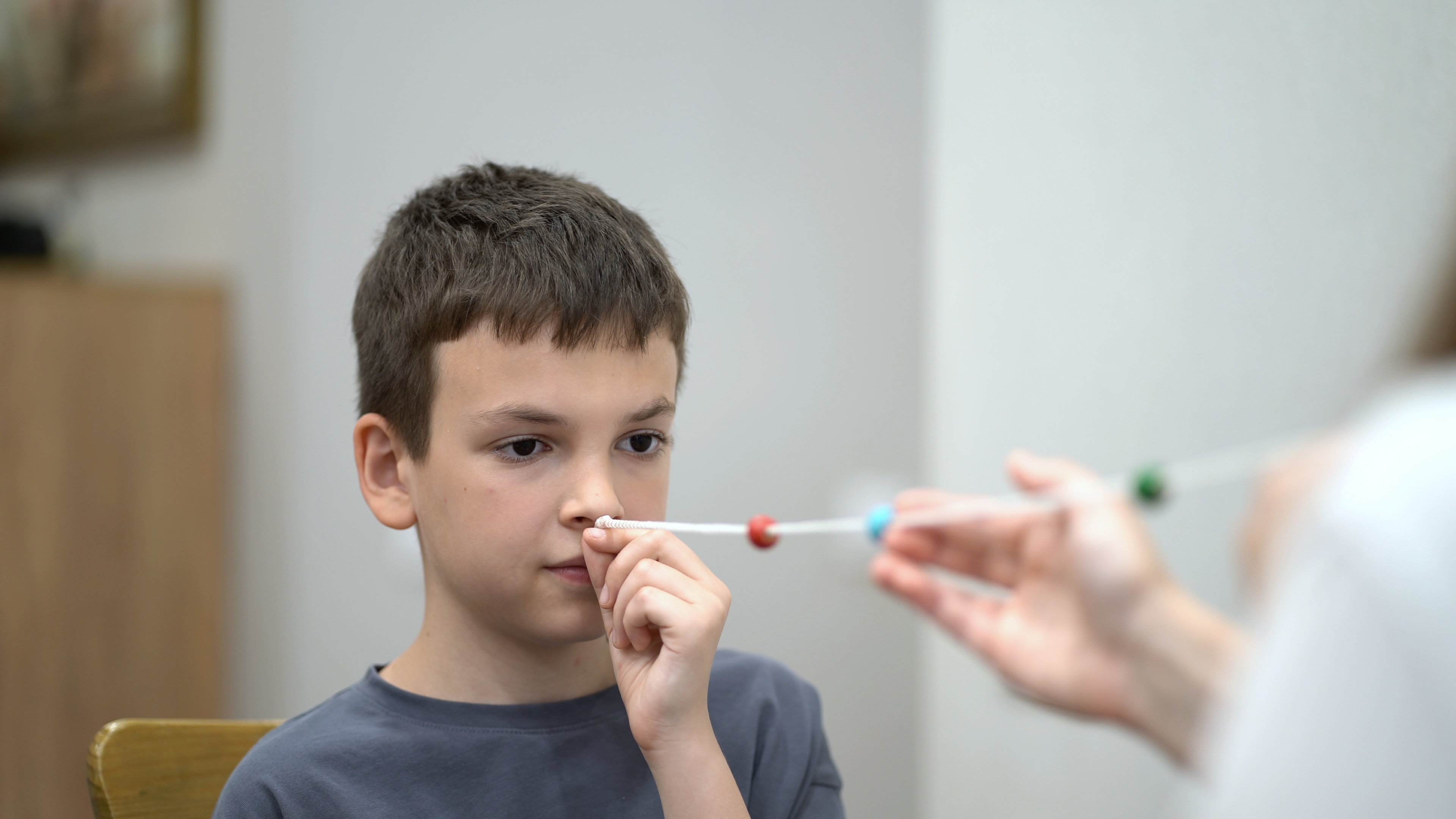
Vision therapy is designed around specific visual skills rather than a one-size-fits-all series of exercises. As therapy progresses, regular reassessment helps determine which skills are improving, which areas still need attention, and whether the treatment plan should be adjusted.
At Giles Optometry in La Mesa, we provide personalized vision therapy for children and adults with concerns involving eye teaming, focusing, tracking, visual processing, and other functional vision skills. Progress evaluations help us keep therapy connected to each patient's individual goals.
Why Is Vision Therapy Progress Reassessed?
Your visual system can change as you practice new skills. An activity that was difficult at the beginning of therapy may become easier, while another skill may still require additional work.
Reassessment gives us objective information about how the visual system is responding. It also allows us to compare current performance with findings from the initial evaluation rather than relying only on whether a patient feels different.
For La Mesa patients, this means therapy can evolve as visual abilities develop.
What Visual Skills May Be Reviewed?
The specific skills we monitor depend on why vision therapy was recommended. During progress evaluations, we may reassess areas such as:
Eye teaming and how effectively the eyes work together
Focusing ability when changing viewing distances
Eye tracking during reading or moving visual tasks
Depth perception and spatial awareness
Visual processing and efficiency during everyday activities
Not every patient works on every skill. Vision therapy is individualized according to the findings from the comprehensive evaluation and the goals established at the beginning of care.
How Are Goals Used to Measure Progress?
Goals help give therapy direction. For one child, the priority may be improving visual comfort during reading. An athlete may be working on tracking, reaction time, or eye-hand coordination. An adult may be addressing visual problems following a neurological event.
At follow-up evaluations, we consider whether the targeted visual skills have changed and whether everyday tasks feel easier or more comfortable.
Improvement is not always measured by eyesight alone. A person can have clear 20/20 vision while still experiencing difficulty with eye coordination, focusing, or tracking.
Can the Therapy Plan Change?
Yes. A personalized vision therapy program should respond to progress.
If a particular skill has improved, exercises may become more challenging or shift toward applying that skill during more complex visual tasks. If an area is progressing more slowly, additional attention may be directed toward that specific function.
The duration of therapy also varies. Some patients may reach their goals sooner, while others need a longer program based on the condition being treated, starting visual abilities, consistency with therapy, and individual response.
At Giles Optometry, therapy is supervised and adjusted according to each patient's needs rather than following a fixed timeline for everyone.
Why Does Practice Between Visits Matter?
In-office sessions are only part of the process. When home activities are prescribed, completing them consistently can help reinforce skills introduced during therapy.
Parents should let us know if their child is struggling with an exercise, avoiding certain activities, or finding a task unusually difficult. Adults should also report headaches, eye fatigue, double vision, or other symptoms that change during treatment.
This feedback helps us understand how visual skills are functioning outside the office.
What Happens When Therapy Goals Are Reached?
When progress evaluations show that targeted visual skills have improved, we can discuss whether formal therapy should continue, transition to maintenance activities, or be completed.
Some patients may benefit from occasional refresher exercises or future monitoring depending on their visual needs. The goal is not simply to complete a predetermined number of sessions, but to build more efficient visual skills and determine when the established treatment goals have been appropriately addressed.
If you or your child is currently in vision therapy or needs a progress evaluation, contact Giles Optometry at 7863 La Mesa Blvd., Suite 202, La Mesa, CA 91942 by calling (619) 399-2506 to schedule an appointment and review how visual skills are progressing.


MAP
Powered by: 