

Why Does Reading Cause Headaches and Blurry Text for La Mesa Students? Spotting Convergence Insufficiency
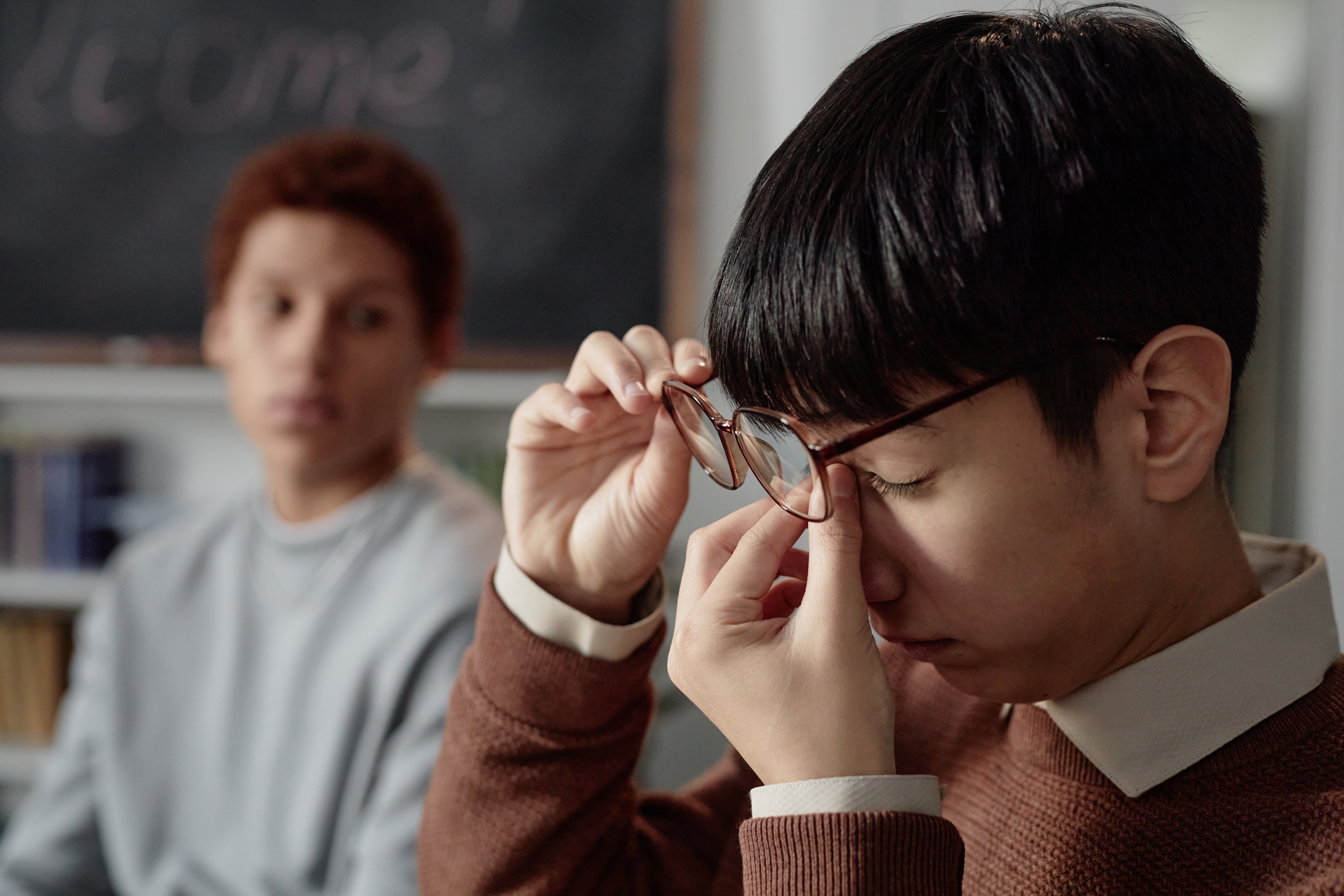
Reading should not consistently cause headaches, eye strain, or words that appear blurry or unstable. When these symptoms affect a student’s homework, classroom focus, or reading stamina, the issue may involve more than eyesight clarity. Convergence insufficiency is an eye-teaming problem that can make close-up tasks uncomfortable and tiring.
What Is Convergence Insufficiency?
Convergence is the ability to turn both eyes inward and keep them aligned on a nearby target, such as a book, tablet, or worksheet. With convergence insufficiency, the eyes may struggle to work together at close range. One eye may drift outward, or the visual system may require extra effort to maintain a single, clear image.
A student can have 20/20 eyesight and still experience this problem. Standard school vision screenings often focus on distance clarity, so they may not identify difficulties with eye teaming, tracking, or focusing.
Signs Parents and Teachers May Notice
Symptoms often become more noticeable during longer reading assignments or periods of concentrated near work. La Mesa students with convergence insufficiency may experience:
• Headaches during or after reading
• Blurry, doubled, or moving text
• Eye strain, burning, or tired eyes
• Losing their place or skipping lines
• Covering or closing one eye
• Avoiding homework or reading
• Reduced concentration during close-up tasks
These signs can sometimes look like poor attention, low motivation, or reading difficulty. However, a student may simply be working harder than expected to keep the words clear and single.
Why Symptoms Can Increase During the School Year
Classroom learning places steady demands on near vision. Students regularly shift between books, laptops, worksheets, and the board. Homework and recreational screen use add even more close-up work after school.
When the eyes do not coordinate efficiently, this visual workload can lead to fatigue. A student may begin reading comfortably but develop headaches, blurry text, or reduced comprehension as the task continues. Recognizing the pattern early can help families seek the right evaluation before frustration affects academic confidence.
How Convergence Insufficiency Is Evaluated
A comprehensive eye exam can assess more than whether glasses are needed. The optometrist may evaluate how well the eyes align, focus, track across a page, and maintain comfortable vision at reading distance.
Testing can help distinguish convergence insufficiency from an uncorrected prescription, dry eye, or another vision problem. Because symptoms can have multiple causes, students with persistent headaches, double vision, or blurry reading should receive an individualized assessment.
Can Vision Therapy Help?
Vision therapy is a personalized program designed to improve specific visual skills. For convergence insufficiency, treatment may include guided activities that strengthen eye teaming, focusing, tracking, and visual coordination.
The program should be based on the student’s exam findings and progress. The goal is not simply to make the eyes stronger, but to help the visual system work more efficiently and comfortably during reading, schoolwork, and other near tasks.
Schedule a comprehensive vision evaluation with Giles Optometry to identify convergence insufficiency and help your child read, learn, and focus more comfortably. Contact our office in La Mesa, CA, by calling (619) 399-2506 to book an appointment.


MAP
Powered by: 